
Managed IT Services for CPA Firms
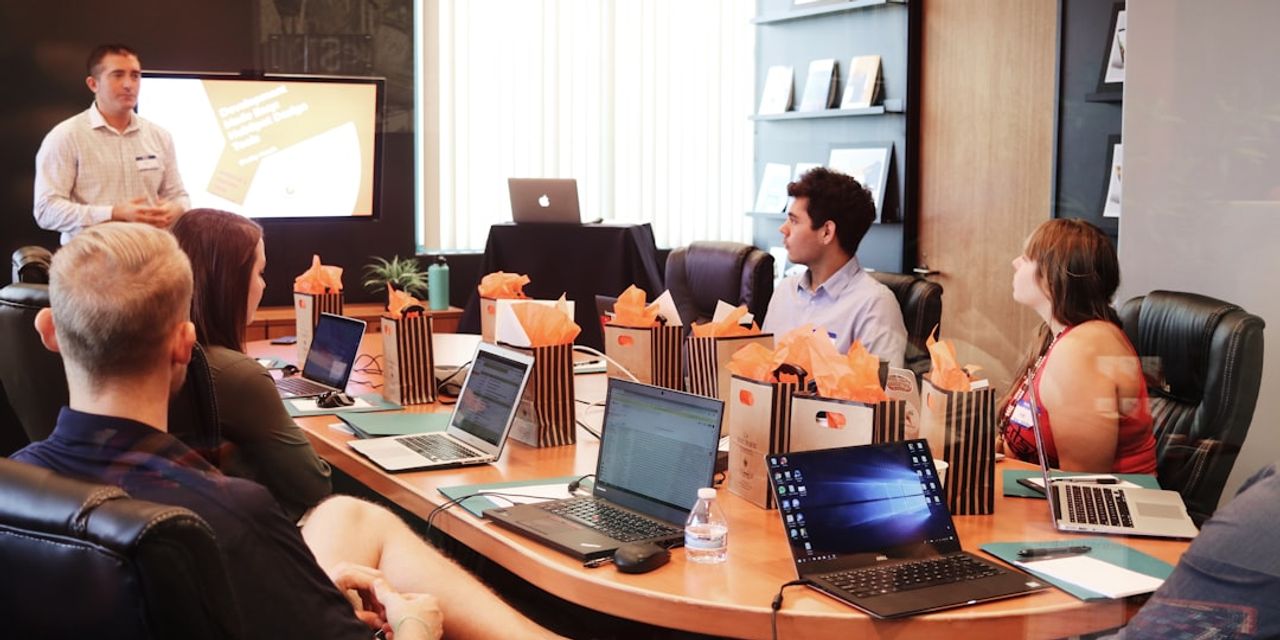
Tax season doesn't care that your file server is slow, that a partner clicked a phishing link on April 12th, or that your document management vendor pushed an update that broke your scan-to-folder workflow. CPA firms operate on compressed deadlines, sensitive client data, and software stacks (CCH, Lacerte, UltraTax, Drake, QuickBooks, Sage, Karbon) that punish downtime harshly. Managed IT services for CPA firms have to be built around that reality, not retrofitted from a generic small-business support plan. That is the practice we run at PGH Networks for accounting firms across the Pittsburgh metro.
Who this is for
We work with CPA and accounting firms roughly 8 to 150 seats, headquartered anywhere within 75 miles of 15220 — Downtown, the South Hills, Cranberry, Robinson, Monroeville, Washington, Butler, Greensburg, Beaver, and the Mon Valley. Some are traditional tax and audit shops; others are advisory-heavy firms pushing into CAS (client accounting services) and fractional CFO work. What they share is a need for IT that understands seasonal capacity, IRS Publication 4557 and the FTC Safeguards Rule written information security plan (WISP) obligations, and the operational tempo of a firm that bills in six-minute increments.
If your current provider treats your tax software like it's Microsoft Word, or can't tell you when your WISP was last reviewed, you're the reason this page exists.
A CPA firm's IT provider should know the difference between a CCH Axcess outage and a local print spooler crash before the help desk ticket is even opened.

What's included in managed IT services for CPA firms
Our engagement is a single monthly per-seat agreement covering the full stack a modern accounting firm actually uses. That includes 24/7 managed IT with U.S.-based help desk, RMM, patch management, and asset lifecycle; layered cybersecurity with EDR/MDR, DNS filtering, email security, phishing simulation, and dark-web monitoring; and Microsoft 365 administration tuned for accounting workflows — conditional access, MFA enforcement, Purview data loss prevention on client PII, and mailbox retention aligned to your record-retention policy.
On the compliance side we build and maintain the WISP required by the FTC Safeguards Rule, map controls to the IRS Pub 4557 checklist, and handle the annual attestations your professional liability carrier and larger audit clients keep asking for. Firms doing SOC engagements or working with defense-adjacent clients also get a clear path into SOC 2 readiness or CMMC alignment where relevant.
Application support is where generic MSPs quietly fail accounting firms. We maintain vendor relationships and internal runbooks for the tax and practice-management platforms firms in this region actually run, so a ticket about a locked return or a stuck e-file doesn't bounce between three parties for a day.
Why a vertical AI practice matters this year
TL;DR: The firms pulling ahead in 2026 aren't the ones with the newest firewall — they're the ones whose staff have safe, governed AI tools embedded in review, research, and client-comms workflows.
Every accounting firm we talk to is being asked the same two questions by partners: what do we do with Copilot, and how do we stop staff from pasting client data into ChatGPT. Both answers start with governance, not a license purchase. Our AI advisory engagement runs a Copilot readiness assessment against your M365 tenant, drafts an acceptable-use policy your WISP can actually reference, and identifies the three or four workflows where AI has real leverage for a CPA firm — engagement letter drafting, workpaper review summarization, 1040 organizer intake triage, and client email response drafts.
From there, firms that want more than off-the-shelf Copilot move into AI workflow automation — document automation for source-document intake, K-1 parsing, and fixed-asset roll-forwards — or a custom AI application built on Azure OpenAI so client data never trains a public model. This is the piece that most MSPs serving accounting firms simply don't offer, and it is increasingly the difference between a firm that adds capacity without adding headcount and one that doesn't.
Why PGH Networks
We are Pittsburgh-based, not a national franchise routing your tickets to a shared queue in another time zone. Every client gets a named vCIO who owns the technology roadmap, sits in on your annual insurance renewal, and shows up on-site during the first two weeks of February and the first two weeks of April — because that is when accounting firms need their IT provider physically in the building, not on a chat window.
Our security stack is built assuming your firm is a target. Accounting firms hold W-2s, SSNs, bank routing, and full financial pictures for hundreds or thousands of individuals; the ransomware crews know this. We architect around the assumption that a phishing email will eventually get clicked, and the controls that matter are the ones that contain the blast radius when it does.
Finally, our AI practice is not a marketing veneer. It is a delivery team with a repeatable methodology for taking a CPA firm from "we've banned ChatGPT" to "we have three governed, audited AI workflows in production" inside a single busy season.
Next step
If you're evaluating managed IT services for CPA firms in the Pittsburgh metro, the useful first conversation is a 30-minute scoping call: current stack, current pain, and where AI could actually help this year. No slide deck.
Call 724.888.7007 or reach us through the contact form and ask for the CPA firm assessment.
Related reading
September Windows Server Updates Are Breaking Remote Desktop
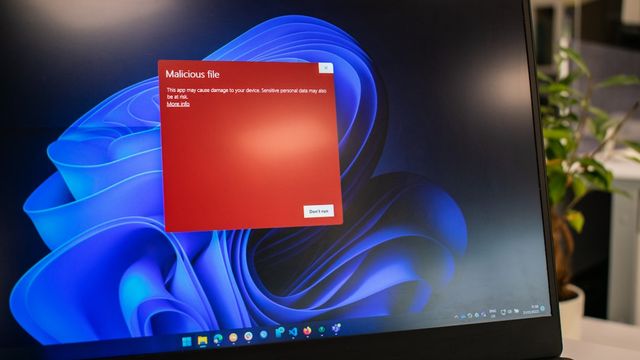
September 2026 Windows Server updates are reportedly breaking Remote Desktop Services on 2019, 2022 and 2025. Here is what Pittsburgh SMBs should verify now.

22,000 Exchange Servers Still Exposed: What Pittsburgh SMBs Should Do
Nearly 22,000 unpatched Exchange servers face a mailbox-hijacking auth bypass. What Pittsburgh SMBs running hybrid Exchange should check and fix this week.

IT Support for CPA and Accounting Firms in Pittsburgh
How a Pittsburgh CPA firm hardened Lacerte, UltraTax CS, and CCH ProSystem fx for GLBA and IRS Publication 4557, with 24/7 tax-season support from PGH Networks.