
CISA Warns: Windows Task Host Flaw Now Fueling Ransomware Attacks
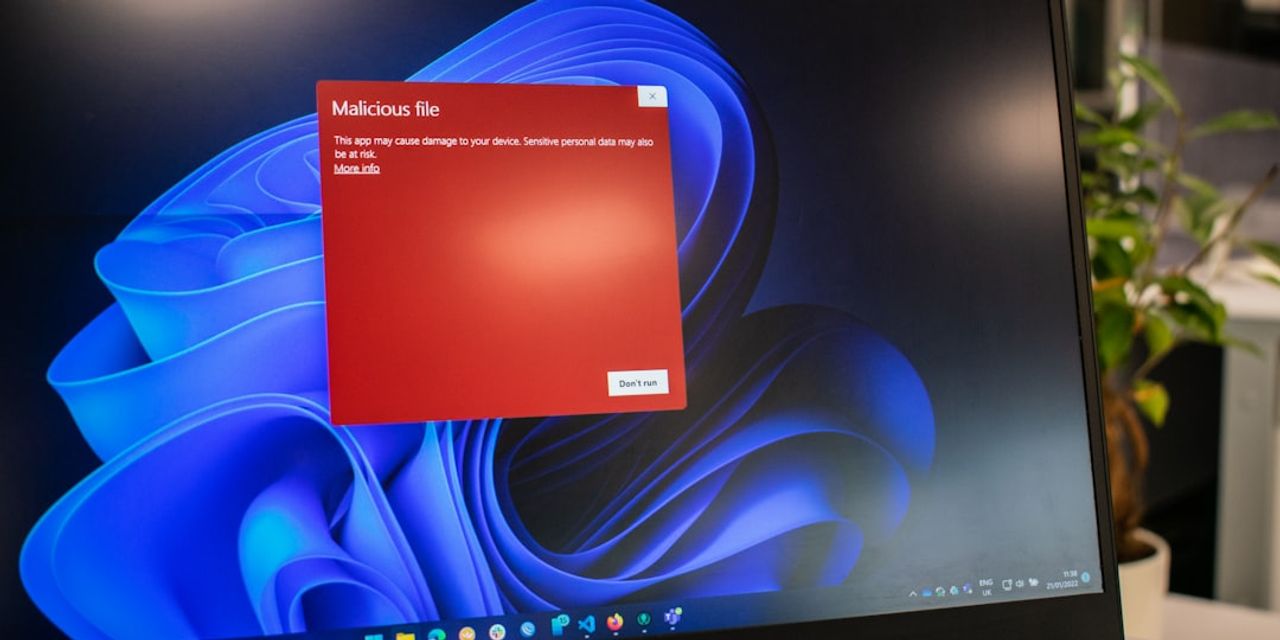
What happened
The U.S. Cybersecurity and Infrastructure Security Agency (CISA) has confirmed that ransomware crews are now abusing a high-severity Windows Task Scheduler / Task Host vulnerability that was already flagged as actively exploited earlier this year. According to reporting from BleepingComputer, the flaw is in CISA's Known Exploited Vulnerabilities (KEV) catalog, which means federal civilian agencies are required to patch it and everyone else should treat it as an urgent priority.
The short version: a bug in a core Windows component that virtually every business endpoint and server runs is being used by financially motivated threat actors to elevate privileges and stage ransomware. Details on specific ransomware families and victimology are still emerging, so verify the exact CVE, affected Windows builds, and Microsoft patch KB numbers against your own inventory before you sign off that you're covered.

Why this matters for Pittsburgh SMBs
If you run a 25-person CPA firm in the Strip, a 150-person manufacturer in Cranberry, or a specialty medical practice in the South Hills, this is exactly the kind of vulnerability that hurts. Task Scheduler ships with every supported version of Windows, so the attack surface isn't a niche product — it's every workstation and server on your domain. Ransomware operators love privilege-escalation bugs because they turn a single phishing click or a stolen VPN credential into full domain compromise in hours.
A few reasons this deserves your attention this week, not next quarter:
- Regulatory exposure is real. For our accounting and financial services clients under the FTC Safeguards Rule, and legal and healthcare clients under HIPAA and state breach-notification laws, a ransomware event triggered by an unpatched, CISA-listed vulnerability is very hard to defend as "reasonable security." Insurers are asking the same questions at renewal.
- Defense contractors have less runway than they think. If you're on the road to CMMC Level 2, unpatched KEV entries will show up in a SPRS score and in any assessor's findings against SI.L2-3.14.1 (flaw remediation). CUI on a box with a known-exploited local privilege escalation is not a story you want to tell DIBCAC.
- SMBs are the actual target. The ransomware groups exploiting bugs like this one aren't only chasing Fortune 500 logos. Pittsburgh-sized manufacturers, law firms, and specialty clinics are squarely in scope because they tend to have flatter networks, thinner IT benches, and cyber insurance policies worth extorting.
What to do about it this week
Here's a concrete checklist you (or your IT provider) can start on Monday. If you're a client on our managed IT plan, most of this is already in motion — but it's worth walking through together.
- Confirm the CVE and patch level. Pull the current CISA KEV entry, map it to the Microsoft security update, and verify the KB is installed on every Windows 10, 11, Server 2019, 2022, and 2025 host. Don't trust "Windows Update says I'm fine" — check the specific KB.
- Prioritize by blast radius, not by asset name. Domain controllers, RMM servers, hypervisors, jump boxes, and anything holding PHI, CUI, or client financial data get patched and rebooted first. Kiosks and conference-room PCs can wait a day.
- Verify your EDR is actually blocking behavior, not just signatures. A modern EDR or MDR tool should flag suspicious Task Scheduler abuse and lateral movement even before a patch lands. Run a test alert and confirm someone is watching the console at 2 a.m., not just 2 p.m.
- Hunt for prior exploitation. Assume the patch closes the door but doesn't tell you if someone already walked through it. Review Task Scheduler event logs (IDs 106, 140, 141, 200), new scheduled tasks created in the last 60 days, and any unexplained service accounts.
- Tighten local admin. Most privilege-escalation exploits are far less useful against users who aren't already local admins. If you haven't rolled out LAPS and removed standing admin rights, that project just got promoted.
- Test your backups against a ransomware scenario. Immutable, offline, and actually-restorable are three different things. Pick one critical server and do a real restore this week.
- Brief your users, briefly. A two-paragraph email reminding staff that patches will require reboots — and that IT will never ask them to disable antivirus to "install an update" — buys you both compliance and a phishing tripwire.

How PGH Networks helps
Our team runs patch management, 24/7 EDR/MDR, and CISA KEV monitoring for SMBs across Pittsburgh and Western PA, and we build the compliance and vCIO programs behind them — including CMMC readiness for defense-contractor clients and Safeguards Rule work for CPA and financial firms. If you're not sure whether this Windows Task Host flaw is patched across your fleet, or whether your current provider would have caught it, we'll do a no-obligation review and tell you straight.
Talk to us
Call 724.888.7007 or reach out through the contact form and we'll get a Pittsburgh-based engineer on the line — not a ticket queue.
Related reading
MFA Alone Won't Stop This Microsoft Phishing Technique
A China-linked group is using Microsoft adversary-in-the-middle phishing to bypass MFA. What Pittsburgh SMBs in legal, CPA and defense work should do now.

Phishing Emails Are Installing Remote Access Tools on SMB PCs
Microsoft warns of phishing that installs legitimate RMM tools to gain remote access. What Pittsburgh SMBs should lock down this week, a practical checklist.
Ransomware Gangs Are Now Exploiting Critical VMware vCenter Flaw
CISA says ransomware crews are exploiting a critical VMware vCenter RCE bug. What Pittsburgh SMBs running on-prem VMware should verify and patch this week.