
MFA Alone Won't Stop This Microsoft Phishing Technique
What happened
Security researchers have attributed a series of credential-phishing campaigns to a China-nexus espionage group tracked as TA419, according to reporting surfaced via feeds.feedburner.com: China-Aligned TA419 Targets U.S. AI Policy Experts With Microsoft AitM Phishing. The targets were artificial intelligence policy experts at U.S. think tanks, universities, and legal-sector organizations.
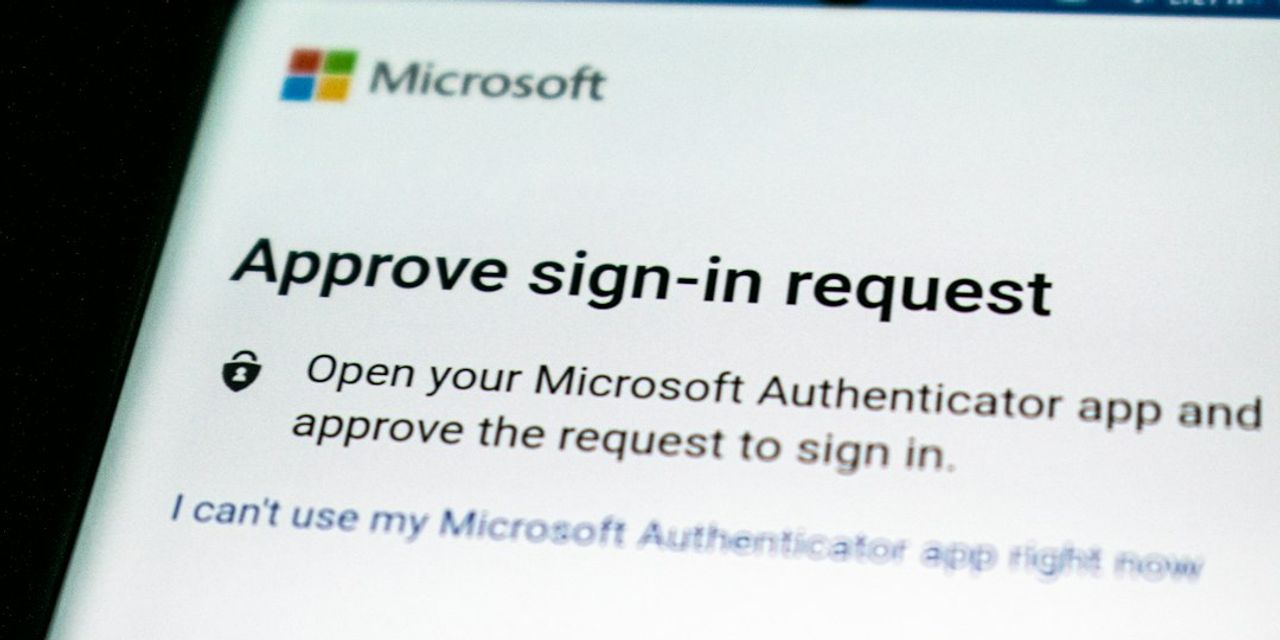
What makes the campaign notable is the social engineering plus the technique. The attackers impersonated well-known economists and AI policymakers, and in at least one case a prominent employee of Anthropic, to reach a specific AI policy expert. Delivery relied on Microsoft-themed adversary-in-the-middle (AitM) phishing, the pattern where a proxy page sits between the victim and the real Microsoft sign-in flow and captures not just the password but the authenticated session. If you want the full technical breakdown and any indicators of compromise, go to the source reporting directly rather than relying on summaries, including ours.

Why this matters for Pittsburgh small and mid-sized businesses
It is tempting to read "AI policy experts at think tanks" and move on. Don't. The target list in this campaign included legal-sector organizations, and the delivery mechanism is a generic, reusable Microsoft credential-theft playbook. Once a technique works for an espionage crew, it filters down to commodity phishing kits sold to whoever will pay. Pittsburgh firms in the 10 to 200 employee range are squarely in that downstream blast radius.
Three specific reasons this is a local problem:
Everything you do lives in Microsoft 365. If you are a 40-person CPA firm or a litigation boutique, your email, your client files, your Teams history, and your SharePoint document sets are all behind one identity. An AitM attack that steals a live session token doesn't need your password again and often doesn't trip your MFA prompt, because the attacker inherits an already-approved session. That is why "we have MFA turned on" is no longer a complete answer for anyone running Microsoft 365 as their system of record.
Your inbox is the crown jewel, not a stepping stone. For a defense subcontractor in the Strip or a manufacturer in Washington County, a compromised mailbox may contain drawings, quotes, and project correspondence that touches Controlled Unclassified Information. For a healthcare practice, it contains PHI. For a wealth management office, it contains the exact material the FTC Safeguards Rule expects you to protect. The breach doesn't require lateral movement to be reportable.
Impersonation of credible people defeats training alone. This campaign didn't use a Nigerian-prince template. It used the names of real, recognizable figures in AI and economic policy. Pittsburgh is thick with university-affiliated researchers, outside counsel, and expert witnesses, which means "a plausible academic or policy contact emailed me a document link" is an ordinary Tuesday here. Awareness training helps, but you cannot train your way out of a convincing message from someone whose work your team actually reads.
There is also an AI-adjacent angle worth naming. Firms rolling out Copilot or other assistants are expanding what a single stolen session can reach. If you are mid-deployment, an AI readiness assessment should include "what can a hijacked session see" as a line item, not an afterthought.
What to do about it this week
- Audit your conditional access policies for session protection. Ask specifically whether token protection, sign-in frequency limits, and device compliance requirements are enforced for mail and file access, not just at initial login. Verify what is actually in your tenant rather than assuming your license tier enabled it by default.
- Move away from push-approval MFA for privileged accounts. Phishing-resistant methods, FIDO2 security keys or certificate-based authentication, break the AitM proxy pattern in a way that number-matching does not. Start with global admins, finance approvers, and partners, then widen.
- Shorten your token lifetimes and build a revocation runbook. When you suspect a compromise, you need the ability to revoke all refresh tokens for a user in minutes. If nobody on your team knows that procedure by heart, write it down this week and test it.
- Alert on the signals AitM actually generates. Impossible-travel sign-ins, new inbox rules that auto-forward or auto-delete, unusual OAuth app consents, and mail-forwarding changes. These should page a human, not land in a monthly report. This is exactly the gap that MDR coverage is meant to close.
- Lock down third-party app consent. Require admin approval for new enterprise applications. Attackers frequently follow a session theft with a consent grant so they keep access after the password reset.
- Brief your people on this specific pretext. Not "watch out for phishing," but "a named expert, academic, or vendor contact may email you a document link, and the sign-in page may look perfect." Give them a non-email reporting channel.
- Map the regulatory consequence before you need it. Whether your obligation runs through HIPAA, SOC 2, CMMC, or FTC Safeguards, a mailbox compromise triggers assessment and possibly notification clocks. Your compliance documentation should already name who decides and how fast.
How we help
PGH Networks runs identity hardening, conditional access reviews, and 24/7 monitoring for Pittsburgh firms that live in Microsoft 365, including defense suppliers working toward CMMC Level 2 and regulated practices in healthcare and financial services. Our vCIO team will walk your tenant with you, show you exactly which of the seven items above are in place today, and build the rest into a dated roadmap instead of a wish list.
Call us at 724.888.7007 or reach us through the contact form to schedule a Microsoft 365 identity and session security review.
Related reading
Phishing Emails Are Installing Remote Access Tools on SMB PCs
Microsoft warns of phishing that installs legitimate RMM tools to gain remote access. What Pittsburgh SMBs should lock down this week, a practical checklist.
Ransomware Gangs Are Now Exploiting Critical VMware vCenter Flaw
CISA says ransomware crews are exploiting a critical VMware vCenter RCE bug. What Pittsburgh SMBs running on-prem VMware should verify and patch this week.

ClickFix Payloads on Hacked Small-Business Sites
Thousands of hacked small-business sites are serving ClickFix lures with payloads hidden in blockchain smart contracts. What Pittsburgh SMBs should do now.