
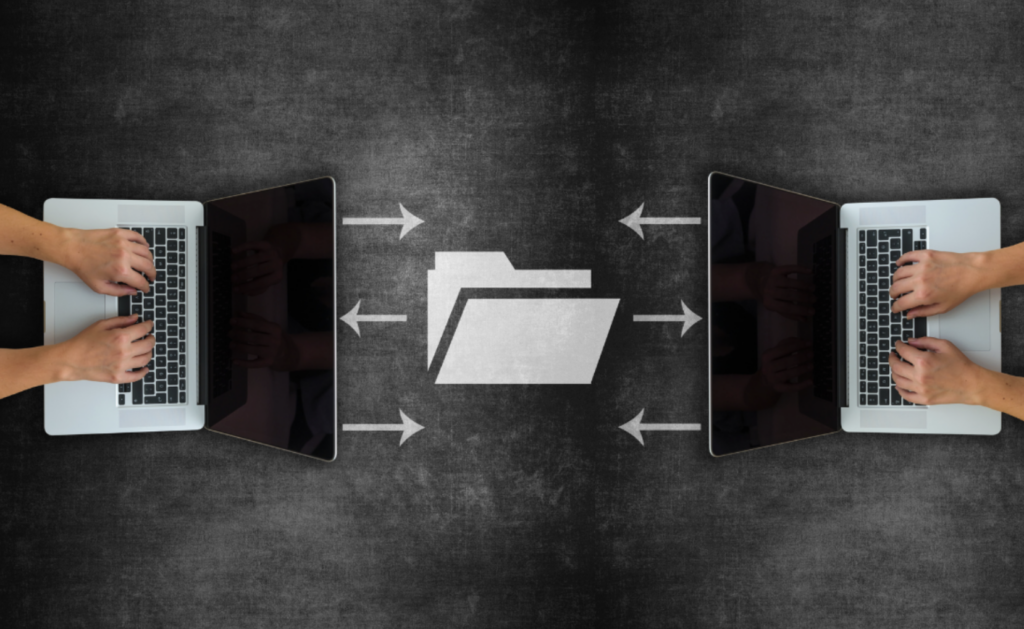
In today’s fast-paced, digital-first workplace, file sharing is at the heart of effective business communication. From contracts and financial reports to internal policies and client data, organizations rely on seamless access to information to stay productive and competitive. However, as file sharing becomes easier, the risks associated with data breaches, unauthorized access, and compliance failures increase. Secure file sharing is no longer optional, it is a critical component of protecting sensitive information while enabling collaboration.
This article explores why secure file sharing matters and highlights best practices around access control, regulatory compliance, and collaboration.
Why Secure File Sharing Matters
File sharing tools are designed to improve efficiency, but without proper security measures, they can expose businesses to serious threats. Cybercriminals often target shared files because they may contain confidential or personally identifiable information (PII). A single misconfigured permission or unsecured link can lead to data leaks, reputational damage, financial loss, and legal consequences.
Secure file sharing ensures that the right people have access to the right information at the right time—without compromising data integrity or confidentiality. It balances usability with security, allowing teams to work efficiently while minimizing risk.
Access Control: Protecting Information at Every Level
Access control is the foundation of secure file sharing. It determines who can view, edit, share, or delete files, and it helps prevent unauthorized access, both external and internal.
Role-based access control (RBAC) is one of the most effective strategies. By assigning permissions based on job roles, organizations can ensure employees only access the information necessary to perform their duties. For example, finance teams may need access to payroll data, while marketing teams do not.
Multi-factor authentication (MFA) adds another layer of protection by requiring users to verify their identity through multiple methods, such as a password and a mobile authentication app. Even if login credentials are compromised, MFA significantly reduces the likelihood of unauthorized access.
Audit logs and monitoring are also essential. Tracking who accessed or modified a file, and when, helps organizations quickly identify suspicious activity and respond before damage occurs. Regular reviews of access permissions are equally important, especially when employees change roles or leave the company.
Compliance: Meeting Regulatory and Legal Requirements
Many industries are governed by strict data protection and privacy regulations. Secure file sharing plays a vital role in meeting these compliance obligations.
Regulations such as HIPAA, GDPR, SOC 2, and FINRA require organizations to safeguard sensitive data, control access, and maintain detailed records of how information is handled. Failure to comply can result in severe penalties, lawsuits, and loss of client trust.
Encryption is a key compliance requirement. Files should be encrypted both in transit (when being shared) and at rest (when stored). This ensures that even if data is intercepted or accessed improperly, it remains unreadable.
Secure file sharing platforms also support data retention policies, allowing organizations to define how long files are stored and when they are automatically deleted. This reduces unnecessary data exposure and helps meet regulatory requirements for recordkeeping and data disposal.
Collaboration Best Practices: Security Without Sacrificing Productivity
While security is critical, it should never hinder collaboration. The goal is to create an environment where employees can share information easily and safely.
Using a centralized, secure file-sharing platform eliminates the risks associated with emailing attachments or using unauthorized consumer-grade tools. Approved platforms provide consistent security controls, version tracking, and permission management.
Version control is another best practice that supports both security and efficiency. It ensures teams are working on the most up-to-date documents while maintaining a history of changes. This reduces errors, prevents accidental overwrites, and creates accountability.
Employee training is often overlooked but essential. Staff should understand how to share files securely, recognize phishing attempts, and follow company policies. Clear guidelines around file naming, sharing links, and external access can significantly reduce human error, the leading cause of data breaches.
Finally, organizations should regularly assess their file-sharing processes and tools to ensure they align with evolving security threats and business needs.
Secure Sharing as a Business Advantage
Secure file sharing is more than just an IT concern, it is a strategic advantage for modern businesses. Organizations that protect their data effectively build stronger trust with clients, partners, and employees.
By implementing strong access controls, maintaining regulatory compliance, and supporting secure collaboration, businesses can confidently share information without unnecessary risk.
At PGH Networks, we help organizations design and implement secure IT environments that protect sensitive data while keeping teams connected and productive. In a world where information is one of your most valuable assets, secure file sharing is essential to doing business responsibly and successfully.