
Fake Claude Installer on Bing Ads: What Pittsburgh SMBs Should Do Now
What happened
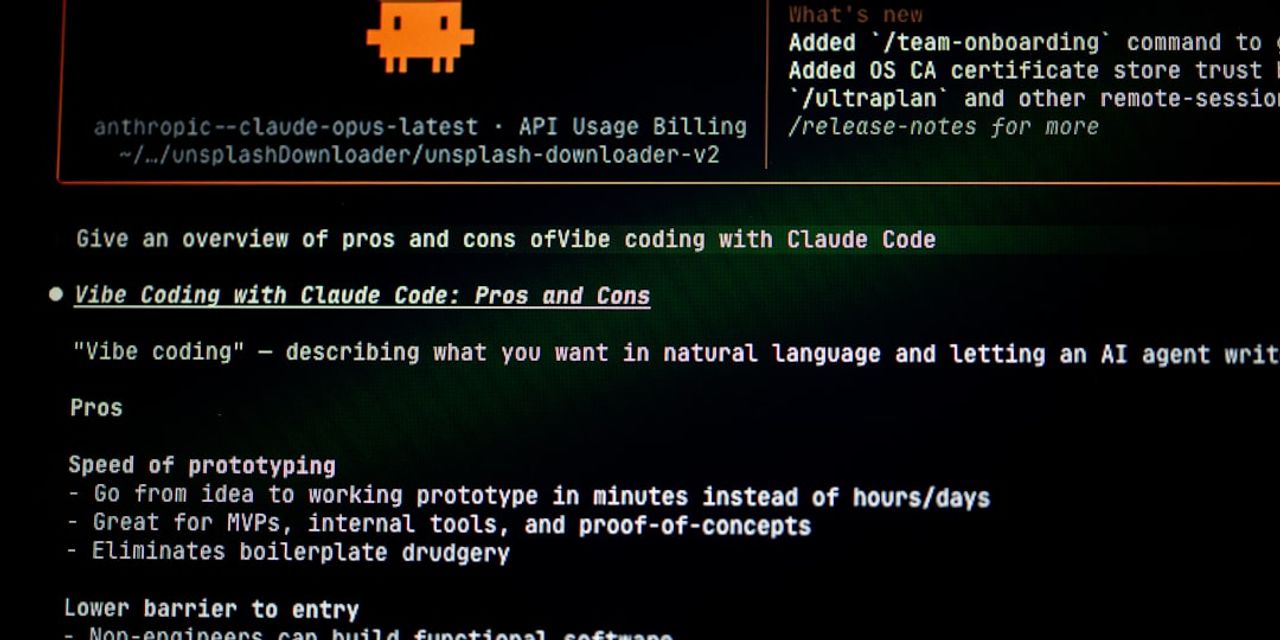
Researchers have flagged a live malvertising campaign running on Bing search ads that impersonates Anthropic's Claude desktop app. According to reporting from bleepingcomputer.com, the sponsored ad points users to what looks like a legitimate Claude.ai domain, but the installer actually deploys SectopRAT, a remote access trojan that gives attackers hands-on control of the victim's machine.
The nasty twist is the abuse of a legitimate-looking Claude.ai URL in the ad, which defeats the "just check the domain" advice most of us have trained our users on. We don't yet have public detail on the exact subdomain pattern, the file hashes, or how long the ad has been live, so treat any specific IOC list you see floating around as something to verify with your security vendor before acting on it.

Why this matters for Pittsburgh SMBs
If you employ between 10 and 200 people, some of your staff are already downloading AI tools on their own, whether IT has blessed it or not. Paralegals summarizing discovery, accountants drafting client emails during extension season, estimators on the manufacturing floor pasting spec sheets into a chatbot, marketing folks generating images — the demand is real, and the "official" Claude desktop app is exactly the kind of thing a curious employee would search for on a Tuesday afternoon.
SectopRAT is not a nuisance. Once it's on an endpoint, an operator can steal browser-saved credentials and session cookies (which bypasses MFA on already-authenticated sessions), pivot into your Microsoft 365 tenant, read email, and stage ransomware. For a regional CPA firm in the middle of a quarter close, a law practice with matter files under privilege, or a small clinic handling PHI, that single click can turn into a HIPAA breach notification, a SOC 2 finding, or worse. Defense contractors in the Pittsburgh corridor working toward CMMC Level 2 have an even sharper problem: any device that touches CUI and gets compromised by a RAT is an incident you will have to document and report under DFARS 7012 timelines.
The regional angle matters too. Attackers don't need to target you specifically — malvertising is opportunistic, and SMBs without an MDR service or application allow-listing are the softest targets in the funnel.
What to do about it this week
You don't need a six-month project to blunt this. Five to seven concrete moves, most of which your IT team or provider can start today:
- Push a short, plain-English advisory to staff today. Tell them: do not install Claude, ChatGPT, Perplexity, or any AI desktop app from a search ad. If they need an AI tool, they request it through IT. Two sentences beats a five-page policy nobody reads.
- Block the download path at the browser and DNS layer. Confirm your web filter is inspecting sponsored search results, and add a rule that flags executable downloads from newly-registered or lookalike domains. If you're not sure whether your current filter does this, that's the question to bring to your next IT review.
- Verify EDR coverage on every endpoint, including the CEO's laptop and any BYOD machines that touch email. A modern EDR or MDR stack should detect SectopRAT-family behavior (process hollowing, suspicious outbound C2) even if the specific hash is new. Ask your provider for last week's coverage report — not a promise, a report.
- Remove local admin rights from standard users. Most RATs need to write to user-writable paths and persist. Taking admin away from daily-driver accounts shuts down a large chunk of the install chain. Pair it with application control (Windows Defender Application Control or a comparable tool) on any workstation handling regulated data.
- Rotate browser-stored credentials and force a session-cookie invalidation for anyone who admits to trying an "AI installer" recently. Amnesty beats silence — make it easy for an employee to raise their hand without getting yelled at.
- Publish an approved AI tool list and an acceptable-use policy. If Copilot for Microsoft 365, the Claude web app, or an internal tool is sanctioned, say so in writing. Our AI advisory engagements start exactly here, because you cannot enforce "don't download random installers" if you haven't told people what the right answer is.
- Tabletop the scenario. Thirty minutes with your leadership team: "An employee installed a fake Claude app on Monday, we found it Friday. What do we tell clients, insurers, and regulators?" If the answer isn't crisp, that's your gap.

How PGH Networks helps
We work with Pittsburgh-area professional services, CPA, legal, healthcare, financial, manufacturing, and defense-contractor teams on exactly this intersection of AI adoption and risk. That includes managed IT and patch management to keep the endpoints tight, Microsoft 365 hardening (Purview, Conditional Access, Defender for Cloud Apps) so a stolen cookie doesn't become a tenant takeover, compliance mapping for HIPAA, SOC 2, and FTC Safeguards, and a vCIO relationship so you're not making these calls alone. When you're ready to say yes to AI safely — whether that's a Copilot rollout or a custom AI application built on Azure OpenAI so your data never leaves your tenant — we can help you skip the malvertising minefield entirely.
Talk to us
Call us at 724.888.7007 or reach out through the contact form and we'll walk your team through a same-week action plan.
Related reading
FBI Warns FortiGate VPN Attacks Are Still Active
The FBI says FortiBleed attacks on exposed FortiGate SSL VPNs are ongoing and locking out admins. Here is what Pittsburgh SMBs should check this week.

FBI Warns FortiBleed Credential Theft Is Still Active
The FBI says the FortiBleed campaign against Fortinet FortiGate firewalls and SSL VPNs is still active. Here is what Pittsburgh SMBs should do this week.

ClickFix Attacks Now Hide Payloads in Your Browser Cache
ClickFix attacks now stage payloads in browser cache disguised as images. What Pittsburgh SMBs should verify and train on this week, a practical checklist.