
Custom GPT for Law Firm: Pittsburgh Build & Deploy
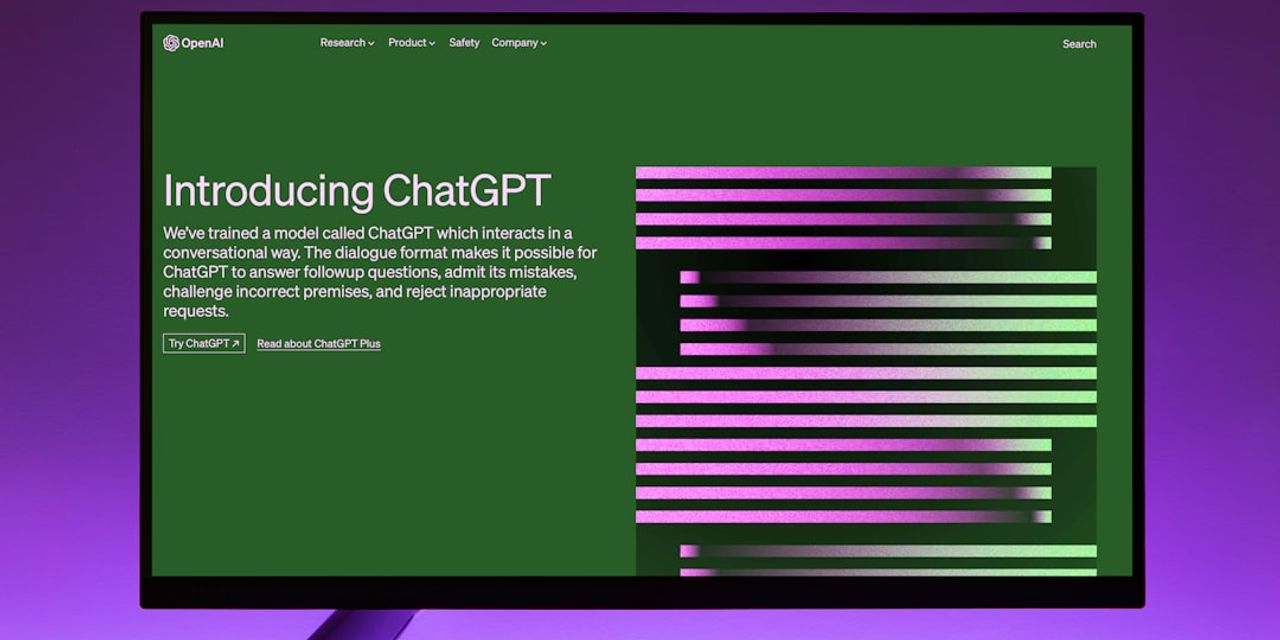
Your associates are pasting client facts into public chatbots, your partners want faster first drafts, and your managing partner just read another bar advisory about generative AI. You do not need another generic assistant. You need a custom GPT for a law firm that knows your precedent bank, your form files, your billing conventions, and your ethical walls, and that keeps every prompt inside your tenant. That is the project PGH Networks scopes, builds, and supports for firms across Pittsburgh, the South Hills, Cranberry, Washington, and Greensburg.
Most firms we talk to have already tried the consumer tools and hit the same wall: useful for a boilerplate paragraph, dangerous for anything matter-specific, and impossible to defend in a client audit. A properly built custom GPT closes that gap by grounding answers in your documents and refusing to answer outside them.
Who this is for
This page is written for managing partners, firm administrators, and IT-responsible attorneys at Western Pennsylvania firms roughly 5 to 150 seats. Litigation boutiques that want faster deposition summaries and issue-spotting against a private brief bank. Transactional practices that redline against a curated clause library. Estate and elder-law firms that intake client facts and produce a first-draft memo. Insurance defense shops that need to triage new assignments against panel-counsel guidelines. If your matters touch healthcare clients, we also build the HIPAA controls into the same environment, and if you serve DoD suppliers in the Mon Valley we can align the tenant with CMMC Level 2 expectations from day one.
If you are still deciding whether to buy Copilot licenses, host something on Azure OpenAI, or build a bespoke tool, that decision belongs in an AI readiness assessment before anyone writes code.

What a custom GPT for a law firm actually includes
A defensible build has five layers, and skipping any of them is why pilots stall.
First, a scoped knowledge base. We ingest the documents you choose — form files, prior briefs, closing binders, firm memos, practice-group playbooks — into a private vector index. Nothing goes to a public model provider for training. Second, retrieval-augmented generation so the model cites the specific paragraph it pulled from, not a hallucinated case name. Third, a prompt library tuned to your practice areas: intake summarization, discovery review, clause comparison, demand-letter drafts, deposition outline generation. Fourth, integrations with the systems your attorneys already live in — Microsoft 365, iManage or NetDocuments, Clio or Centerbase, Outlook. Fifth, logging and admin controls so the firm administrator can see who asked what, revoke access on separation, and export an audit trail.
A custom GPT for a law firm is only defensible if every answer can be traced to a document your firm already owned.
We deliver this as a custom AI application sitting on your Microsoft 365 tenant, typically using Azure OpenAI so the data boundary is your Azure subscription. For firms that want lighter-weight automation before a full build — think intake forms that draft a conflict-check memo automatically — we start with AI workflow automation and grow into the chatbot layer.
Confidentiality, ethics, and the model boundary
TL;DR: The ethical questions around AI in law practice are answerable, but only if the tool is architected so client confidences never leave your control.
ABA Formal Opinion 512 (2024) and the Pennsylvania Bar Association's Formal Opinion 2024-200 both make the same point in different words: attorneys can use generative AI, but competence, confidentiality, and supervision obligations do not relax because the tool is new. In practice that means three things for the build.
The model cannot train on your prompts. We contract for zero data retention with the underlying provider and confirm it in the tenant configuration. The system must respect ethical walls — a bankruptcy partner screened off a matter should not be able to retrieve documents from that matter through the chatbot, and we enforce that with the same Entra ID groups that already gate your DMS. And every session is logged, because supervision under RPC 5.1 and 5.3 requires that a partner can actually see what a junior lawyer asked the tool.
This is where a generalist vendor typically falls short. We pair the build with a written acceptable-use policy, attorney training, and the compliance documentation your malpractice carrier is going to ask for at renewal. If you also handle HIPAA-covered client data or SOC 2 audits for corporate clients, the same tenant carries those controls.
Attorneys are responsible for the output of their AI the same way they are responsible for the work of a first-year associate.

Why PGH Networks
We are a Pittsburgh MSP, headquartered inside the 75-mile radius of 15220, with an AI applications practice that is not bolted onto a break-fix shop. The same team that runs your managed IT, patching, EDR, and help desk also builds the GPT, which matters because the chatbot is only as trustworthy as the identity, endpoint, and cybersecurity posture underneath it. Firms in Downtown, Southpointe, and Cranberry already use us for that stack.
We also bring a vCIO into the engagement so the firm's technology roadmap — DMS migration, Copilot rollout, the custom GPT, cyber insurance renewal — is sequenced instead of stacked. And because we serve regulated industries across the region, the controls we bring to a law firm are the same ones we deploy for healthcare and defense clients on Microsoft 365 and Azure.
Next step
A useful first conversation takes about 30 minutes: your practice areas, your DMS, the two or three workflows where AI would actually save hours, and whether a four-week pilot or a full build fits your budget. From there we produce a fixed-fee scope.
Call 724.888.7007 or reach us through the contact form and ask for the AI applications team. We will tell you honestly whether a custom GPT is the right first move for your firm, or whether Copilot plus a few workflow automations gets you 80 percent of the value for a fraction of the cost.
Related reading

FBI Warns FortiGate VPN Attacks Are Still Active
The FBI says FortiBleed attacks on exposed FortiGate SSL VPNs are ongoing and locking out admins. Here is what Pittsburgh SMBs should check this week.

FBI Warns FortiBleed Credential Theft Is Still Active
The FBI says the FortiBleed campaign against Fortinet FortiGate firewalls and SSL VPNs is still active. Here is what Pittsburgh SMBs should do this week.

ClickFix Attacks Now Hide Payloads in Your Browser Cache
ClickFix attacks now stage payloads in browser cache disguised as images. What Pittsburgh SMBs should verify and train on this week, a practical checklist.