
Cloud Backup and Disaster Recovery in Pittsburgh: A Walkthrough

This is an illustrative example, not a client story. The business described below is hypothetical, built to show how this kind of project typically runs. Nothing here is a measured result from PGH Networks' work for a specific company.
Picture a 70-person specialty manufacturer headquartered in the Monongahela Valley that arrives on a Monday morning to find half its file shares encrypted and its ERP database unreachable. The incumbent IT vendor points to a nightly backup job that has been "green" in the dashboard for months. When a restore is actually attempted, the most recent clean copy is 19 days old, the offsite replica silently failed months ago, and the recovery runbook is a Word document last updated by an engineer who left the company.
That Monday morning phone call is the reason this walkthrough on cloud backup and disaster recovery in Pittsburgh exists. The technology stack a business like this has on paper looks fine. The operational reality does not. This is the most common pattern we see across the Pittsburgh metro, and it is almost always fixable before an incident, not after.
The challenge
A manufacturer in this position has three real problems, only one of which is the ransomware itself.
First, backup verification is theatrical. Jobs report success based on completion, not on a test restore. Nobody has performed a full bare-metal recovery drill in years. Second, the offsite copy lives in the same Microsoft 365 tenant and the same cloud account as production, so a credential compromise puts both primary and "DR" copies in the blast radius. Third, the business has quietly taken on two automotive Tier-2 contracts that pull it into CMMC Level 2 scope, and its backup retention and immutability posture would not survive an assessor's review.
A backup you have never restored from is a hypothesis, not a recovery plan.
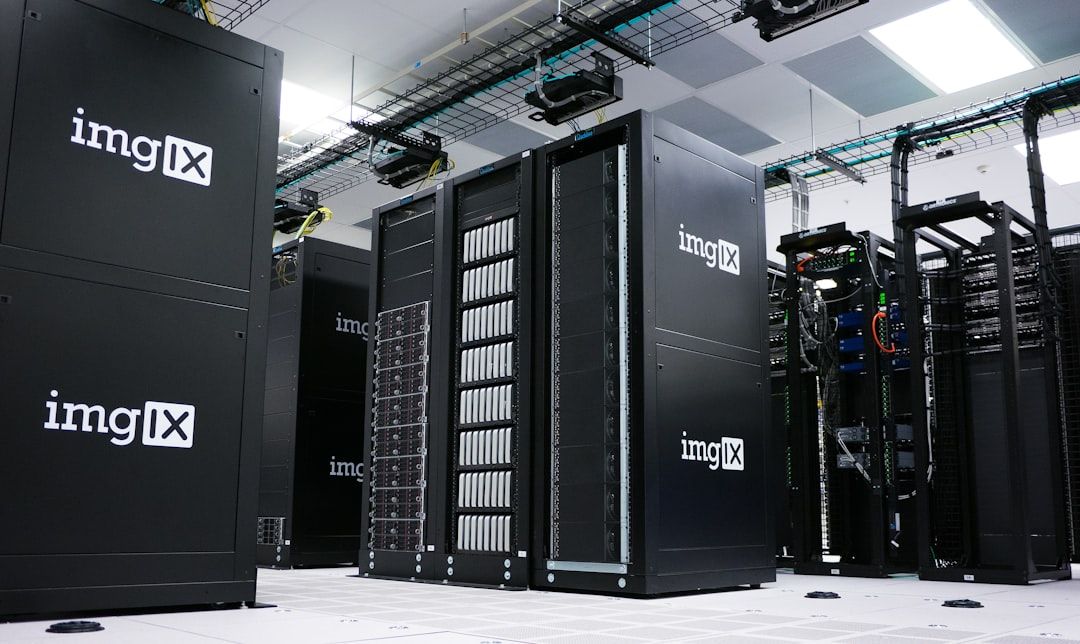
How it would be solved with a layered cloud backup and disaster recovery plan
The rebuild follows a 3-2-1-1-0 model: three copies of data, on two different media, one offsite, one immutable, with zero errors on monthly verified restores. Concretely, that means on-premises image-based backups to a hardened local appliance at the plant, encrypted replication to a separate cloud tenant in a different region, and a second immutable copy with object-lock retention that no domain admin, ours or theirs, can delete inside the retention window.
For Microsoft 365, a dedicated SaaS backup product covers Exchange Online, SharePoint, OneDrive, and Teams, with retention set to match the contract record-keeping obligations the business actually carries. The ERP and SQL workloads get frequent log shipping into the cloud target, so the effective RPO moves from "last night, maybe" to a matter of minutes.
Then the part most providers skip: a recovery runbook with named owners, contact trees, and decision thresholds, a tabletop exercise with leadership, and a live failover test of the ERP server into the cloud DR environment, timed with a stopwatch so the RTO is a known fact rather than a guess.
What a business like this can expect
TL;DR: Replacing a "green dashboard" backup with a tested, immutable, multi-tenant cloud backup and disaster recovery design turns a weeks-old restore point into a recovery plan with an RPO of minutes and an RTO of hours for tier-1 systems.
Within the first couple of months, a manufacturer like this would typically have:
- A documented RTO for ERP and file services, with a longer one for tier-2 systems, both validated by live test, not assumed.
- Immutable cloud copies that map to the CMMC 2.0 Level 2 media protection and recovery control families an assessor will ask about.
- Monthly automated restore verification with a human-reviewed report, the same artifact a cyber-insurance renewal underwriter tends to ask for in writing.
- Lower monthly backup-related spend once overlapping tools are consolidated into one stack.
More importantly, the next time something goes wrong, and in manufacturing something always does, the question stops being "do we have a backup?" and becomes "which restore point do we want?"
Who this applies to in the Pittsburgh metro
This pattern fits a specific buyer: small and mid-market organizations between roughly 25 and 300 employees, headquartered within about 75 miles of 15220, that have outgrown a break-fix IT vendor or an internal one-person IT team. We see it most often in manufacturing across the Mon Valley and Beaver County, professional services firms in the Strip and downtown, healthcare practices subject to HIPAA, and defense-adjacent suppliers in Westmoreland and Washington counties dealing with CMMC and ITAR scope.
If your last verified restore test was more than 12 months ago, or if your offsite backup lives in the same identity boundary as production, you are the business in this scenario.
Why PGH Networks for cloud backup and disaster recovery
We are a Pittsburgh-based managed IT services provider, and our engineers respond on the ground anywhere from Cranberry to Washington to Greensburg. That matters when a recovery requires someone physically standing in front of a server at 2 AM. We pair that local presence with a compliance practice that maps backup and DR controls directly to HIPAA, CMMC 2.0, PCI-DSS, and SOC 2, not as a sales overlay but as the actual design criteria for the runbook.
We also operate an AI-enablement practice, which shows up in this service in two practical ways: anomaly detection on backup telemetry (so a quietly failing job surfaces quickly instead of sitting unnoticed for weeks), and AI-assisted runbook drafting that keeps recovery documentation current as the environment changes.
Local hands, compliance-grade design, and recovery you have actually tested: that is the bar for cloud backup and disaster recovery in Pittsburgh.
Takeaway and next step
The manufacturer in this walkthrough does not get unlucky. It has the same backup posture most Pittsburgh small and mid-market businesses are running right now. The difference between a bad Monday and a catastrophic one is whether someone has actually pressed the restore button before the incident.
If you want a second opinion on your current cloud backup and disaster recovery setup, we offer a fixed-scope BDR assessment for Pittsburgh-area businesses: we review your backup configuration, attempt a real restore, map gaps to your compliance obligations, and hand you a written remediation plan, whether you hire us to execute it or not.
Call PGH Networks at 724.888.7007 or request a BDR assessment through our contact form to get on the schedule.
Related reading
Warlock Ransomware and the SharePoint Server Risk for SMBs
Warlock is exploiting SharePoint flaws to kill security tools and deploy ransomware. What Pittsburgh SMBs running SharePoint Server should check this week.

Executive Phishing Is Stealing Microsoft 365 Sessions
A US-focused phishing campaign steals Microsoft 365 sessions and installs remote-access tools. What Pittsburgh SMBs should verify and fix this week.

CISA Flags Exploited SharePoint and MikroTik Flaws
CISA added actively exploited Microsoft SharePoint and MikroTik RouterOS flaws to its KEV catalog. What Pittsburgh SMBs should verify and patch this week.